aquacraftwaterproofing.com

Crest Header (Isolated)

Author name: dtgpune@gmail.com

Uncategorized

Why Your Home Deserves More Than Just a Paint: The Hidden Power of Waterproofing

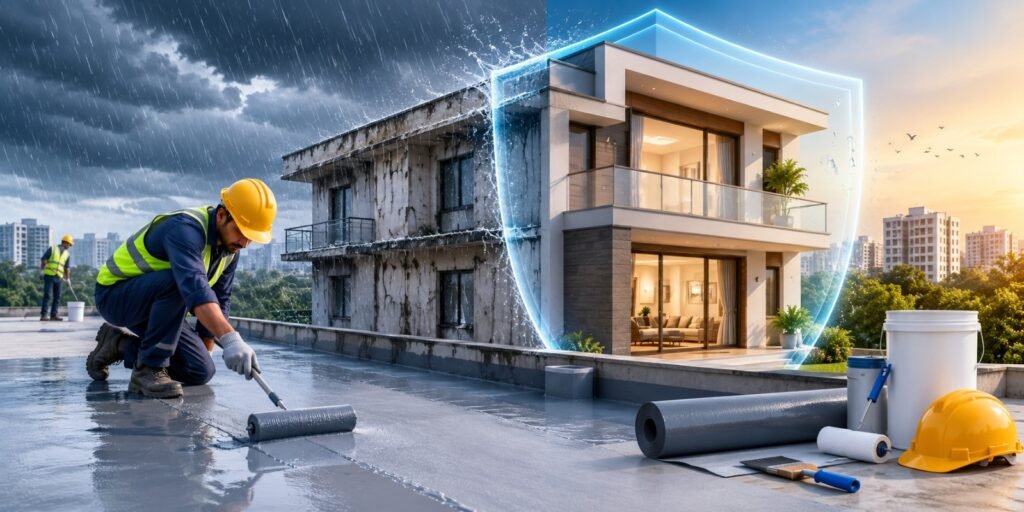
Why Your Home Deserves More Than Just a Paint: The Hidden Power of Waterproofing We’ve all been there. You walk into your living room after a particularly heavy monsoon spell, and there it is a subtle, damp patch on the ceiling. Or perhaps you notice your fresh coat of paint starting to bubble or peel near the base of the wall. Your first instinct might be to call a painter or pick up a brush to touch it up. But here is the secret that most homeowners learn the hard way: painting over a leak is like putting a bandage on a broken bone. Waterproofing isn’t just a “construction chore” to be ticked off a list. It is the invisible shield that keeps your home standing tall, safe, and healthy. At Aquacraft Waterproofing, we believe your home is your sanctuary, and it deserves the kind of protection that lasts long after the clouds clear. The “Silent” Damage You Can’t Always See Water is patient. It doesn’t always announce its arrival with a dramatic drip. Often, it seeps in slowly through microscopic cracks in your terrace, the tiny gaps around window frames, or the hidden joints in your bathroom. By the time you see the dark stains or the crumbling plaster, the water has likely already traveled deep into the structure of your home. It’s working silently to corrode the steel reinforcement bars inside your concrete slabs and columns. When steel rusts, it expands, causing the concrete to crack and weaken from within. This is why addressing the root cause moisture infiltration is far more critical than just fixing the aesthetic damage on the surface. Why Your Home Needs an Upgrade Living in a region with fluctuating weather patterns, our homes are constantly expanding and contracting with heat and moisture. This “thermal movement” creates stress on building materials, leading to hairline cracks. Here’s why investing in professional waterproofing is a game-changer for your property: The “DIY” Myth vs. Expert Precision Many homeowners try to tackle seepage with quick-fix sprays or hardware store sealants. While these might hide the problem for a week or two, they rarely address the underlying cause. Effective waterproofing is a science. It involves: At Aquacraft Waterproofing, we take the guesswork out of the process. We don’t just apply a coating; we analyze the source of the water entry and apply a systemic solution that ensures your home remains dry, clean, and beautiful. Take Charge Before the Next Rain You don’t have to wait for the monsoon to remind you of your home’s vulnerabilities. Proactive maintenance is the hallmark of a smart homeowner. If you see signs of peeling paint, efflorescence (that powdery white salt residue), or damp patches, don’t ignore them. Your home is likely your biggest investment. Why leave its protection to chance? Let’s make sure your walls remain as strong as your memories inside them. Ready to secure your home’s future? Get in touch with us at Aquacraft Waterproofing today, and let our experts give your property the protection it truly deserves. After all, a dry home isn’t just a luxury it’s peace of mind.

Uncategorized

Optimizing Water Tank Longevity: Essential Maintenance and Waterproofing Solutions

Optimizing Water Tank Longevity: Essential Maintenance and Waterproofing Solutions Water tanks play a simple but essential role in homes, apartments, commercial buildings, industries, and other properties. We rely on them every day to store water safely, yet they are often overlooked when it comes to regular maintenance. Over time, constant exposure to moisture, changing temperatures, structural movement, cracks, and poor maintenance can cause water seepage and leakage. A well-maintained and properly waterproofed tank can last significantly longer while reducing water wastage and preventing costly structural repairs. In fact, concrete water tanks are particularly vulnerable to cracking and seepage if joints, surfaces, and drainage points are not properly treated. Why Water Tank Maintenance Matters Water tanks remain exposed to water pressure for long periods. Even a small crack or weak joint can gradually become a major leakage problem. Seepage may damage surrounding concrete, ceilings, walls, or supporting structures. In some cases, moisture can also contribute to corrosion of reinforcement inside concrete. Ignoring minor signs of leakage can therefore turn a relatively simple repair into an expensive waterproofing project. Regular inspection helps identify problems early and keeps the tank in better condition. Common Causes of Water Tank Damage Understanding what causes water tank problems is the first step toward preventing them. Some common causes include: Essential Water Tank Maintenance Practices Regular maintenance does not have to be complicated. A few consistent practices can significantly improve tank performance. 1. Inspect the Tank Regularly Look for visible cracks, damp patches, peeling coatings, discoloration, or unusual water loss. Pay particular attention to corners, joints, pipe entries, and the junction between the tank floor and walls. Early identification allows minor defects to be addressed before they develop into serious leakage. 2. Keep the Tank Clean Sediment, dirt, algae, and other deposits should be removed during scheduled cleaning. A clean tank makes it easier to identify cracks and surface damage while also supporting better water storage hygiene. When cleaning waterproofed surfaces, avoid unnecessarily aggressive methods that could damage the protective coating. 3. Check Pipe Connections Inlet, outlet, overflow, and drainage connections are common areas for leakage. Inspect these points periodically and make sure seals remain intact. 4. Monitor Water Loss If a tank appears to be losing water faster than normal, do not automatically assume it is due to usage. An unexplained drop in water level can be an early indication of leakage. Why Waterproofing Is Essential Waterproofing provides an additional protective barrier against water penetration. For concrete tanks, effective waterproofing generally involves proper surface preparation, treatment of cracks and joints, and application of a suitable waterproofing system. The objective is not simply to cover a visible crack. A professional waterproofing approach identifies the underlying leakage points and treats vulnerable areas so the protection works as a complete system. For tanks used to store potable water, the selected waterproofing material should also be appropriate for the intended water-contact application. Product suitability and application instructions should always be verified before use. A Professional Approach to Water Tank Waterproofing A reliable waterproofing process normally starts with a detailed inspection. The tank is then emptied and the surface is cleaned to remove loose material, dirt, algae, old coatings, and other contaminants. Cracks, joints, pipe penetrations, and active leakage points are repaired using an appropriate repair system. Once the surface is properly prepared, the selected waterproofing coating or lining can be applied according to the manufacturer’s specifications. Surface preparation is particularly important because even a high-quality waterproofing material may perform poorly if applied over contaminated, weak, or improperly prepared surfaces. After application and curing, the tank should be inspected and tested before returning it to normal use. This helps confirm that leakage issues have been properly addressed. When Should You Consider Waterproofing? You should consider professional water tank waterproofing if you notice: It is generally better to waterproof proactively rather than wait until leakage causes extensive damage. Extend Your Tank’s Life with Preventive Care Water tank longevity is not achieved through waterproofing alone. It comes from combining regular inspections, proper cleaning, timely crack repairs, suitable waterproofing, and professional maintenance. A small issue discovered during a routine inspection can often be managed before it develops into a major structural or leakage problem. On the other hand, postponing repairs can increase restoration costs and potentially affect surrounding areas. If your tank is showing signs of seepage, cracks, or ageing, professional assessment can help determine whether it needs localized repair, complete waterproofing, or another corrective solution. Protect Your Water Tank with AquaCraft Waterproofing A durable water tank deserves more than a temporary leak repair. With the right inspection, surface preparation, repair, and waterproofing strategy, you can protect your tank against seepage and help extend its service life. For reliable water tank waterproofing solutions, consult AquaCraft Waterproofing and take action before minor leakage becomes a major problem. Protect your tank today and prevent costly water damage tomorrow.Get in touch with AquaCraft Waterproofing for professional water tank waterproofing solutions.

Uncategorized

Preventing Wet Area Seepage: Standardized Protocols for Bathroom and Toilet Waterproofing

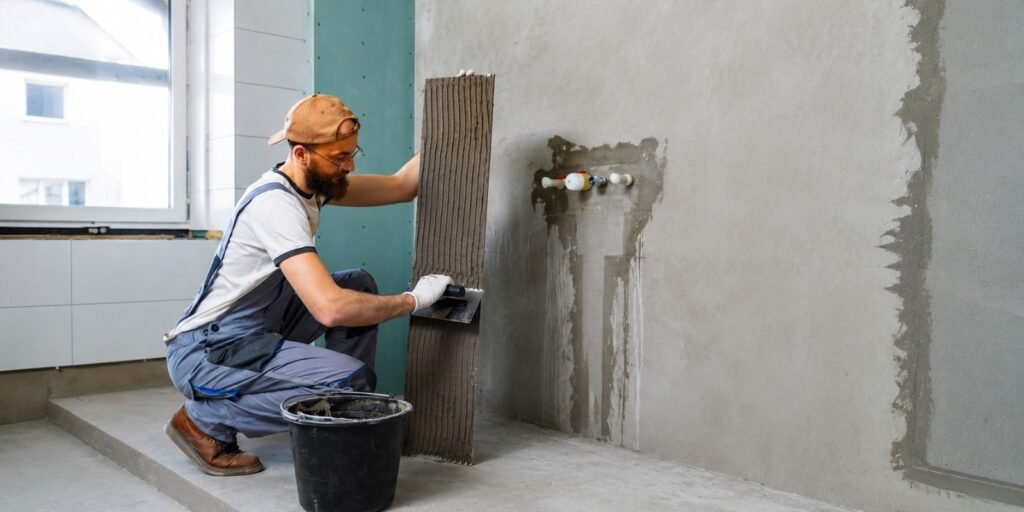
Preventing Wet Area Seepage: Standardized Protocols for Bathroom and Toilet Waterproofing Bathrooms and toilets are among the most moisture-intensive areas of any building. Water is used daily for bathing, cleaning, flushing, and washing, making these spaces highly vulnerable to seepage if waterproofing is not planned and executed correctly. What may begin as a small damp patch can eventually lead to peeling paint, mould growth, damaged plaster, unpleasant odours, and deterioration of the surrounding structure. The good news is that most wet-area seepage can be prevented with proper waterproofing protocols, quality materials, careful surface preparation, and regular inspection. Why Bathroom and Toilet Seepage Happens Seepage does not always happen because of a major plumbing leak. In many cases, water finds its way through tiny cracks, joints, gaps around pipes, floor-wall connections, or poorly treated surfaces. Common causes include: BIS identifies bathrooms, kitchens and water closets as areas particularly vulnerable to seepage and notes that defective design, substandard materials and improper execution can contribute to dampness. (Bureau of Indian Standards) Standardized Protocol 1: Inspect Before Waterproofing Waterproofing should begin with an inspection, not with the immediate application of a coating. The existing floor, walls, plumbing points, pipe joints, drainage system and visible cracks should be examined carefully. If seepage is already present, the source should be identified rather than simply covering the affected area. This diagnostic step helps determine whether the problem is caused by plumbing, structural cracks, failed waterproofing, or a combination of issues. Standardized Protocol 2: Prepare the Surface Properly A waterproofing system can only perform as well as the surface underneath it. Before application, loose material, dust, oil, dirt, old coatings and damaged mortar should be removed. Cracks and weak areas need to be repaired using a suitable repair system. The surface should be properly prepared according to the waterproofing product manufacturer’s requirements. Skipping this stage is one of the common reasons waterproofing treatments fail prematurely. Standardized Protocol 3: Treat Critical Junctions Certain locations deserve extra attention because they are natural pathways for water. These include: These points should be sealed and reinforced using compatible waterproofing materials and detailing methods. A continuous waterproofing layer should connect these vulnerable areas rather than leaving isolated untreated gaps. Standardized Protocol 4: Apply a Compatible Waterproofing System The waterproofing material should be selected according to the surface, water exposure, building condition and project requirements. Cementitious and polymer-based systems are among the solutions used for wet areas, while other membrane technologies may be appropriate for specific applications. BIS lists standards covering waterproofing materials and wet-area waterproofing, including IS 2645:2003 for integral waterproofing compounds and IS 13182:2020 for waterproofing and damp-proofing of wet areas in buildings. (Bureau of Indian Standards) The key is not simply choosing an expensive product. The complete system—including preparation, application thickness, detailing, curing and protection—must be suitable for the site. Standardized Protocol 5: Maintain Proper Drainage and Slope Even a good waterproofing system can face unnecessary stress if water remains standing on the bathroom floor. The floor should have an appropriate slope toward the drain so that water can leave the wet area efficiently. Drain connections should also be checked for proper sealing. Waterproofing and drainage work together. The objective is not just to stop water from entering the structure but also to ensure that water does not remain trapped on the finished surface. Standardized Protocol 6: Conduct Testing Before Finishing Testing is an important quality-control stage. Before tiles and other finishes permanently conceal the waterproofing system, the treated area should be inspected and tested according to the applicable project specification and waterproofing system requirements. Any signs of leakage or weakness should be corrected at this stage. Repairing a problem before tile installation is significantly easier than removing finished tiles later. Standardized Protocol 7: Protect the Waterproofing Layer Waterproofing should not be treated as the final surface. Once the membrane or coating has been applied and properly cured, it should be protected from unnecessary damage during subsequent construction. Tile installation, plumbing work and other activities should be carried out carefully so that nails, tools, sharp objects or drilling do not compromise the waterproofing layer. Prevention Is Better Than Repeated Repairs Bathroom seepage is often treated only after visible damage appears. A better approach is preventive waterproofing during construction or renovation. A properly planned system combines inspection, surface preparation, crack treatment, junction detailing, suitable materials, drainage, testing and protection. This approach reduces the risk of recurring seepage and helps preserve the condition of walls, floors and adjoining spaces. If you are experiencing damp patches, leakage or recurring seepage in your bathroom or toilet, don’t wait for the damage to spread. Protect your wet areas with professional waterproofing solutions from AquaCraft Waterproofing.Get in touch today for reliable toilet and bathroom waterproofing assistance. AquaCraft Waterproofing

Uncategorized

Industrial Waterproofing Standards: Protecting High-Value Infrastructure from Moisture Damage

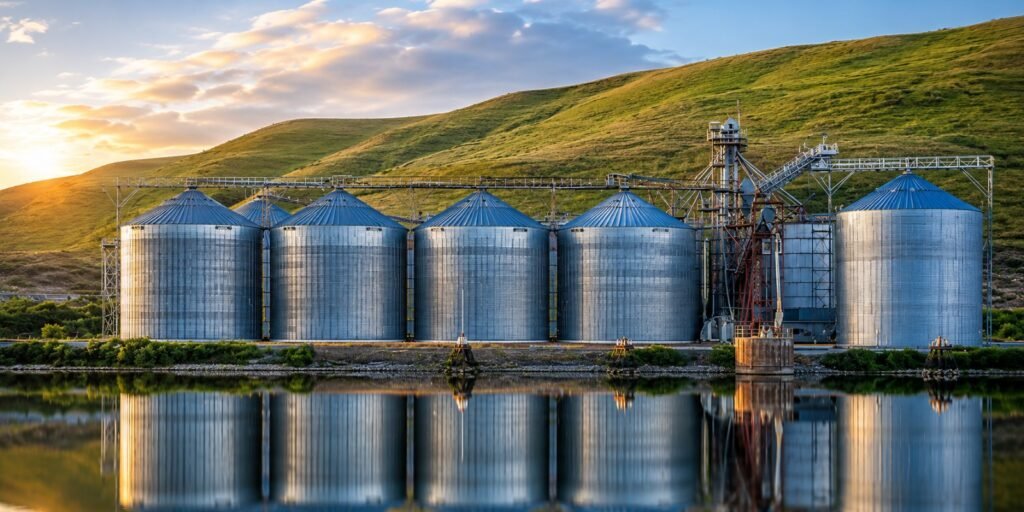
Industrial Waterproofing Standards: Protecting High-Value Infrastructure from Moisture Damage Industrial buildings and infrastructure represent significant investments. Manufacturing plants, warehouses, processing facilities, commercial structures, bridges, water-treatment plants, and storage facilities all depend on strong construction and long-term protection. Among the biggest threats to these structures is moisture. Water may appear harmless, but prolonged exposure can cause serious structural and operational problems. Leaking roofs, damp walls, water infiltration, corrosion, mold growth, damaged insulation, and concrete deterioration can eventually result in expensive repairs and downtime. This is why following appropriate industrial waterproofing standards is essential for protecting high-value infrastructure. Why Industrial Waterproofing Matters Industrial facilities are exposed to demanding environmental conditions. Heavy rainfall, humidity, temperature fluctuations, chemical exposure, groundwater, and water used during industrial processes can all increase the risk of moisture penetration. Once water enters a structure, it can travel through cracks, joints, concrete pores, roofing systems, and other vulnerable areas. Over time, moisture can weaken construction materials and affect machinery, electrical systems, stored products, and production areas. A properly designed waterproofing system creates a protective barrier that reduces water penetration and helps extend the service life of the building. Understanding Industrial Waterproofing Standards Industrial waterproofing standards provide guidelines for selecting, designing, installing, and maintaining waterproofing systems. The exact requirements can vary depending on the building type, location, materials, exposure conditions, and intended application. A professional waterproofing project generally considers several important factors, including surface preparation, substrate condition, material compatibility, application thickness, drainage, joint treatment, curing, and inspection. Standards and specifications help ensure that waterproofing is not treated as a temporary coating but as an important part of the overall infrastructure protection strategy. Key Areas That Require Waterproofing Different parts of an industrial facility can require different waterproofing solutions. Roofs: Industrial roofs are continuously exposed to rain, sunlight, temperature changes, and standing water. A suitable membrane or coating can help prevent leaks and protect the structure beneath. Basements and Foundations: Underground structures face groundwater and hydrostatic pressure. Waterproofing these areas helps prevent seepage and protects concrete and reinforcement. Water Tanks: Storage tanks require specialized waterproofing systems that can withstand continuous water exposure while maintaining structural integrity. Concrete Structures: Concrete may develop cracks and pores that allow water to penetrate. Protective coatings and repair systems can reduce moisture ingress and deterioration. Expansion Joints: Movement between structural sections can create vulnerable points. Proper joint sealing is therefore essential for maintaining waterproofing continuity. Choosing the Right Waterproofing System There is no single waterproofing solution suitable for every industrial facility. The right system depends on the substrate, exposure level, operating environment, and expected service life. Common solutions include cementitious waterproofing, liquid-applied membranes, bituminous membranes, polyurethane systems, epoxy-based coatings, and protective concrete treatments. For example, areas exposed to chemicals may require specialized chemical-resistant coatings, while roofs may benefit from flexible membrane systems capable of accommodating thermal movement. Material selection should always consider adhesion, flexibility, chemical resistance, UV exposure, temperature variation, water pressure, and expected durability. The Importance of Surface Preparation Even the best waterproofing material can fail when applied to an improperly prepared surface. Before installation, surfaces should be inspected for cracks, loose concrete, dust, oil, grease, laitance, and other contaminants. Damaged areas should be repaired, and surfaces should meet the required moisture and cleanliness conditions specified for the chosen system. Proper surface preparation improves adhesion and reduces the risk of blistering, peeling, cracking, and premature failure. Installation and Quality Control Following the manufacturer’s application requirements and project specifications is critical. Waterproofing should be installed by trained professionals who understand the selected system and the environmental conditions at the site. Quality control may include checking surface preparation, coating thickness, membrane overlaps, joint treatment, curing conditions, and continuity of the waterproofing layer. Depending on the project, inspections and testing can help identify defects before the facility becomes operational. Detecting problems early is generally far less expensive than repairing widespread water damage later. Maintenance Is Part of Waterproofing Waterproofing should not be considered a one-time construction activity. Regular inspection and maintenance are necessary to preserve performance. Facility managers should periodically check roofs, drainage systems, joints, walls, tanks, and other vulnerable areas. Blocked drains, small cracks, damaged sealants, or deteriorating coatings should be addressed before they become major sources of water intrusion. Preventive maintenance can significantly reduce repair costs and minimize unexpected operational disruptions. Protecting Long-Term Infrastructure Value For industrial facilities, waterproofing is an investment in durability, safety, and operational continuity. Effective moisture protection can help reduce structural deterioration, protect equipment and inventory, improve building longevity, and lower long-term maintenance expenses. More importantly, following recognized waterproofing standards and adopting a systematic approach helps ensure that protection is designed around the actual risks faced by the facility. Conclusion Moisture damage can quietly develop into a major threat to high-value industrial infrastructure. From roofs and foundations to concrete structures and expansion joints, every vulnerable area requires appropriate protection. By following industrial waterproofing standards, selecting suitable materials, preparing surfaces correctly, maintaining installation quality, and conducting regular inspections, businesses can create stronger and more resilient facilities. Proper waterproofing is not simply about preventing leaks it is about protecting the long-term performance, value, and reliability of industrial infrastructure. Visit AquaCraft Waterproofing to explore reliable solutions for long-lasting infrastructure protection. 
Scroll to Top