Preventing Wet Area Seepage: Standardized Protocols for Bathroom and Toilet Waterproofing
Bathrooms and toilets are among the most moisture-intensive areas of any building. Water is used daily for bathing, cleaning, flushing, and washing, making these spaces highly vulnerable to seepage if waterproofing is not planned and executed correctly. What may begin as a small damp patch can eventually lead to peeling paint, mould growth, damaged plaster, unpleasant odours, and deterioration of the surrounding structure.
The good news is that most wet-area seepage can be prevented with proper waterproofing protocols, quality materials, careful surface preparation, and regular inspection.
Why Bathroom and Toilet Seepage Happens
Seepage does not always happen because of a major plumbing leak. In many cases, water finds its way through tiny cracks, joints, gaps around pipes, floor-wall connections, or poorly treated surfaces.
Common causes include:
- Cracks in the floor or concrete slab
- Improperly sealed pipe penetrations
- Weak or damaged waterproofing layers
- Poor surface preparation before waterproofing
- Incorrect slope toward the floor drain
- Gaps between tiles and sanitary fixtures
- Poor-quality waterproofing materials
- Inadequate curing or application
- Movement between different building materials
BIS identifies bathrooms, kitchens and water closets as areas particularly vulnerable to seepage and notes that defective design, substandard materials and improper execution can contribute to dampness. (Bureau of Indian Standards)
Standardized Protocol 1: Inspect Before Waterproofing
Waterproofing should begin with an inspection, not with the immediate application of a coating.
The existing floor, walls, plumbing points, pipe joints, drainage system and visible cracks should be examined carefully. If seepage is already present, the source should be identified rather than simply covering the affected area.
This diagnostic step helps determine whether the problem is caused by plumbing, structural cracks, failed waterproofing, or a combination of issues.
Standardized Protocol 2: Prepare the Surface Properly
A waterproofing system can only perform as well as the surface underneath it.
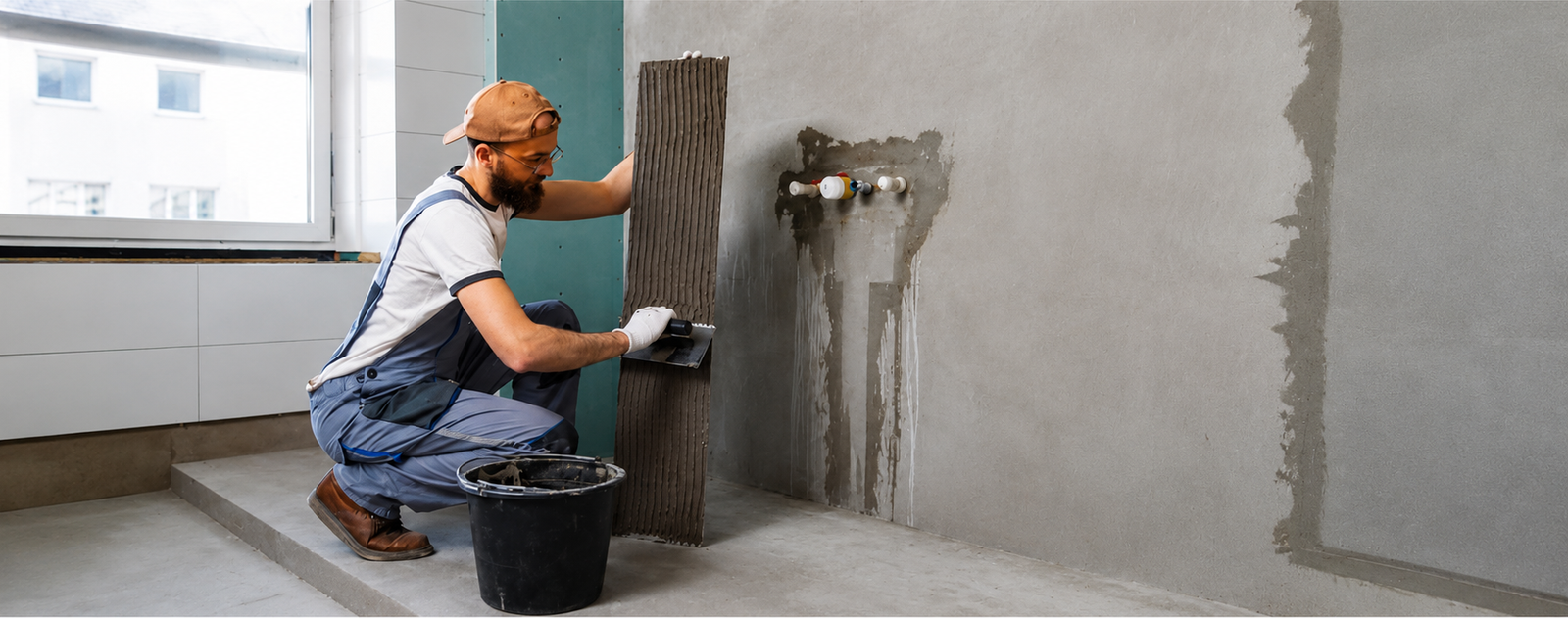
Before application, loose material, dust, oil, dirt, old coatings and damaged mortar should be removed. Cracks and weak areas need to be repaired using a suitable repair system. The surface should be properly prepared according to the waterproofing product manufacturer’s requirements.
Skipping this stage is one of the common reasons waterproofing treatments fail prematurely.
Standardized Protocol 3: Treat Critical Junctions
Certain locations deserve extra attention because they are natural pathways for water.
These include:
- Floor-to-wall junctions
- Around floor traps and drains
- Pipe penetrations
- Corners
- Sanitary fixture connections
- Construction joints
- Areas around plumbing sleeves
These points should be sealed and reinforced using compatible waterproofing materials and detailing methods. A continuous waterproofing layer should connect these vulnerable areas rather than leaving isolated untreated gaps.
Standardized Protocol 4: Apply a Compatible Waterproofing System
The waterproofing material should be selected according to the surface, water exposure, building condition and project requirements.
Cementitious and polymer-based systems are among the solutions used for wet areas, while other membrane technologies may be appropriate for specific applications. BIS lists standards covering waterproofing materials and wet-area waterproofing, including IS 2645:2003 for integral waterproofing compounds and IS 13182:2020 for waterproofing and damp-proofing of wet areas in buildings. (Bureau of Indian Standards)
The key is not simply choosing an expensive product. The complete system—including preparation, application thickness, detailing, curing and protection—must be suitable for the site.
Standardized Protocol 5: Maintain Proper Drainage and Slope
Even a good waterproofing system can face unnecessary stress if water remains standing on the bathroom floor.
The floor should have an appropriate slope toward the drain so that water can leave the wet area efficiently. Drain connections should also be checked for proper sealing.
Waterproofing and drainage work together. The objective is not just to stop water from entering the structure but also to ensure that water does not remain trapped on the finished surface.
Standardized Protocol 6: Conduct Testing Before Finishing
Testing is an important quality-control stage.
Before tiles and other finishes permanently conceal the waterproofing system, the treated area should be inspected and tested according to the applicable project specification and waterproofing system requirements.
Any signs of leakage or weakness should be corrected at this stage. Repairing a problem before tile installation is significantly easier than removing finished tiles later.
Standardized Protocol 7: Protect the Waterproofing Layer
Waterproofing should not be treated as the final surface. Once the membrane or coating has been applied and properly cured, it should be protected from unnecessary damage during subsequent construction.
Tile installation, plumbing work and other activities should be carried out carefully so that nails, tools, sharp objects or drilling do not compromise the waterproofing layer.
Prevention Is Better Than Repeated Repairs
Bathroom seepage is often treated only after visible damage appears. A better approach is preventive waterproofing during construction or renovation.
A properly planned system combines inspection, surface preparation, crack treatment, junction detailing, suitable materials, drainage, testing and protection. This approach reduces the risk of recurring seepage and helps preserve the condition of walls, floors and adjoining spaces.
If you are experiencing damp patches, leakage or recurring seepage in your bathroom or toilet, don’t wait for the damage to spread.
Protect your wet areas with professional waterproofing solutions from AquaCraft Waterproofing.
Get in touch today for reliable toilet and bathroom waterproofing assistance. AquaCraft Waterproofing